
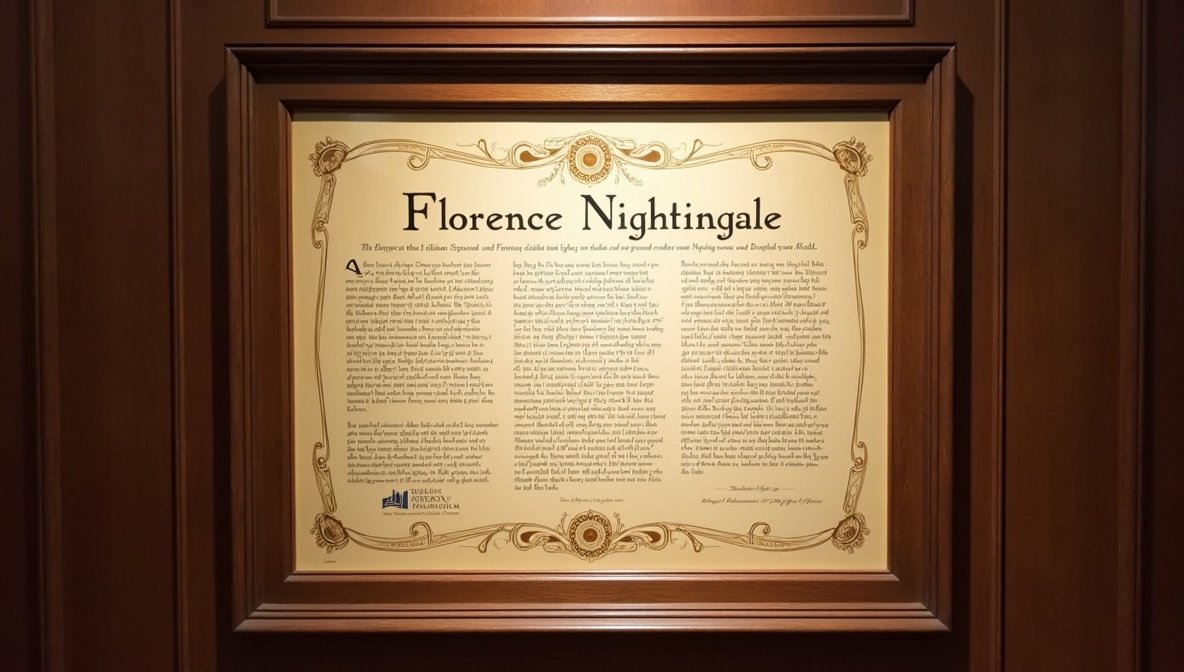
Florence Nightingale is one of the most influential figures in the history of healthcare, renowned for her pioneering work in modern nursing, public health reform, and hospital sanitation. Her dedication during the Crimean War not only saved countless lives but also transformed nursing from a largely unstructured vocation into a respected profession with structured training and ethical standards. Today, the Florence Nightingale Museum stands as a testament to her extraordinary contributions, preserving her story and the history of nursing for future generations.
Located in London, the Florence Nightingle Museum offers visitors a unique insight into her life, achievements, and enduring legacy. Through carefully curated exhibitions, personal artifacts, interactive displays, and historical records, the museum allows people to experience the remarkable journey of Florence Nightingale and understand the social and medical context of her time. It serves not only as a place of learning but also as a source of inspiration for those pursuing careers in healthcare, public service, or social reform.
The museum has become an essential resource for scholars, students, and history enthusiasts, providing a comprehensive look into the life of a woman whose work continues to influence healthcare systems worldwide. By exploring her story, visitors gain a deeper appreciation for the challenges she faced and the impact of her innovative ideas on hospital care, infection control, and patient welfare.
The Life and Legacy of Florence Nightingale
Florence Nightingale was born on May 12, 1820, into a wealthy and well-educated British family. Despite societal expectations for women of her class, she felt a deep calling toward social reform and healthcare from an early age. At a time when nursing was considered a low-status occupation, Nightingale’s determination to improve patient care and professionalize nursing marked her as a visionary.
Her most famous contribution came during the Crimean War (1853–1856), where she managed a team of nurses to provide care for wounded soldiers. She meticulously organized hospital wards, implemented hygiene practices, and collected detailed statistics to advocate for sanitary reforms. These measures drastically reduced mortality rates and demonstrated the importance of scientific management in healthcare settings.
Beyond her wartime work, Florence Nightingale authored seminal texts on hospital design, nursing practices, and public health policy. Her statistical analyses and reports on sanitation were groundbreaking, influencing healthcare policy in Britain and around the world. By elevating nursing to a professional and ethical vocation, she established standards that remain foundational in modern nursing education.
The Florence Nightingale Museum celebrates this legacy, presenting her story through artifacts such as personal letters, nursing equipment, uniforms, and handwritten notes. Each exhibit highlights her commitment to evidence-based healthcare, humanitarian service, and advocacy for vulnerable populations. ancient roots olive oil
The Origins of the Florence Nightingale Museum
The Florence Nightingle Museum was established to honor the life and work of one of history’s most remarkable figures in healthcare. Located in the historic district of St Thomas’ Hospital in London, the museum occupies a building with direct connections to the history of nursing and medical innovation in the city.
The museum’s creation was motivated by the desire to preserve her personal artifacts and historical documents, which provide invaluable insights into both her professional and personal life. Through a combination of exhibitions, archives, and interactive experiences, the museum allows visitors to engage with her legacy in a meaningful way.
Over the years, the museum has expanded its collections to include items ranging from Nightingale’s famous lamp—symbolizing her dedication to patient care—to letters that reveal her tireless work advocating for hospital reform and public health initiatives. It is both a historical repository and an educational center, offering a comprehensive perspective on the social, medical, and political challenges of the 19th century.
Visitors to the museum gain not only an understanding of Florence Nightingale as a historical figure but also an appreciation for the broader context of nursing, healthcare reform, and humanitarian efforts that shaped modern medicine.
Exhibitions and Collections
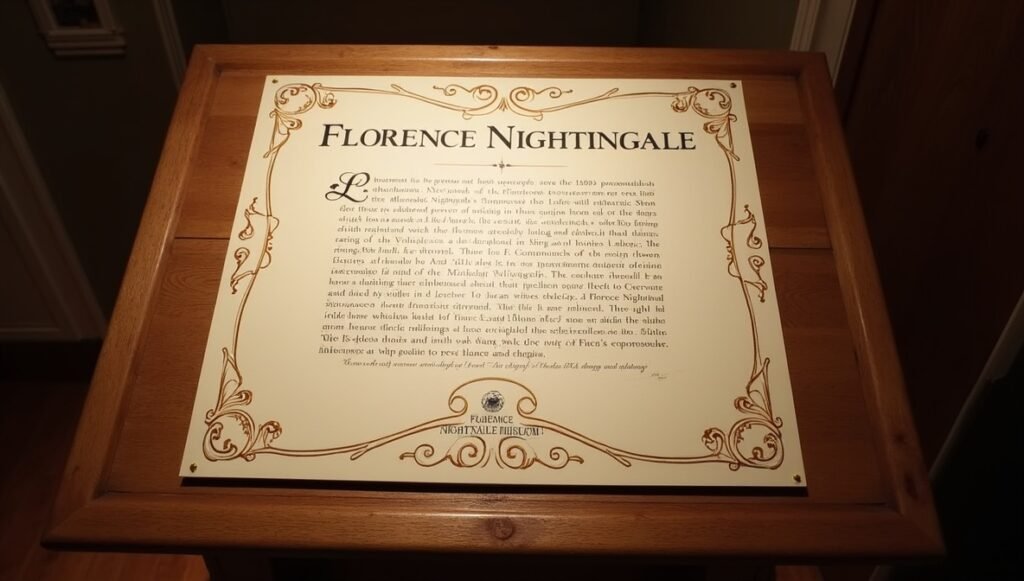
The Florence Nightingale Museum features a variety of exhibitions designed to engage visitors of all ages and backgrounds. The displays are carefully curated to balance historical accuracy with interactive storytelling, ensuring that visitors not only learn but also connect emotionally with the material.
One of the highlights is the collection of personal artifacts. These include Nightingale’s letters, diaries, and statistical reports, which illustrate her meticulous attention to detail and her commitment to improving healthcare. Visitors can also view medical instruments and nursing equipment from the 19th century, providing insight into the challenges and conditions faced by early nurses.
Interactive displays allow visitors to experience life as a nurse during the Crimean War. Through immersive simulations and digital reconstructions, guests can understand the rigorous conditions, patient care protocols, and logistical challenges that Nightingale and her team managed.
The museum also explores her work in public health reform. Exhibits highlight her pioneering use of statistical analysis to advocate for sanitation improvements in hospitals and communities. By visualizing mortality rates and disease patterns, Florence Nightingale demonstrated the power of data-driven healthcare management.
Educational panels provide context on the historical and social conditions of 19th-century Britain, illustrating the obstacles Nightingale overcame to transform nursing into a respected profession. Together, these exhibitions offer a comprehensive view of her life and achievements, emphasizing both her human compassion and professional innovation.
Educational Programs and Initiatives
The Florence Nightingale Museum is not only a place to view historical artifacts; it is also a center for learning and inspiration. The museum offers a variety of educational programs tailored to students, healthcare professionals, and general audiences.
School programs introduce children to the history of nursing, public health, and social reform. Through interactive workshops, storytelling sessions, and guided tours, students learn about Florence Nightingale’s life and the impact of her work on modern medicine. These programs often include hands-on activities, such as exploring historical medical tools or understanding the principles of hospital hygiene.
For healthcare professionals, the museum provides specialized lectures, workshops, and training sessions that highlight the historical foundations of contemporary nursing practices. These programs foster an appreciation for the ethical and professional standards that Nightingale established, reinforcing their relevance in modern clinical settings.
Public lectures and community events focus on broader themes, such as the history of medicine, women in leadership, and the role of humanitarian work in shaping society. By offering diverse learning opportunities, the museum ensures that Florence Nightingale’s legacy continues to inspire new generations.
Visitor Experience
Visitors to the Florence Nightingale Museum often report a deeply engaging and educational experience. The museum’s layout guides guests through chronological stages of Nightingale’s life, from her early years to her pioneering work in healthcare reform.
Interactive exhibits allow visitors to engage with history in a tactile and immersive way. For example, guests can simulate the challenges of managing a wartime hospital ward, experiencing firsthand the organizational and ethical decisions Nightingale faced.
The museum also emphasizes storytelling, highlighting personal anecdotes, letters, and diary entries that reveal Nightingale’s character, determination, and compassion. These narratives make the historical figure accessible, demonstrating that her achievements were the result of relentless dedication, meticulous planning, and a profound sense of duty.
Visitors can also explore temporary exhibitions that focus on specific aspects of nursing history, public health, or healthcare innovations. These rotating displays ensure that repeat visitors continue to find new material to explore.
The museum shop and café provide opportunities for visitors to reflect on their experiences while enjoying refreshments or acquiring educational materials, making the visit both enriching and comfortable.
The Role of Florence Nightingale Museum in Preserving History
Preserving history is central to the mission of the Florence Nightingale Museum. By maintaining archives, curating exhibitions, and collecting artifacts, the museum ensures that the story of Florence Nightingale and the evolution of nursing remain accessible to the public.
Archival collections include original manuscripts, letters, photographs, and medical documents. These materials provide scholars and researchers with firsthand insights into 19th-century healthcare practices, social reform, and statistical analysis.
The museum also collaborates with academic institutions, healthcare organizations, and public historians to produce research, publications, and educational resources. By combining historical preservation with public engagement, the museum strengthens its role as a hub for knowledge and inspiration.
Furthermore, the Florence Nightingle Museum promotes awareness of contemporary issues in nursing and healthcare by drawing connections between historical achievements and current challenges. Visitors are encouraged to reflect on how Nightingale’s principles can inform modern practices in patient care, public health, and humanitarian work.
The Museum and Public Health Awareness
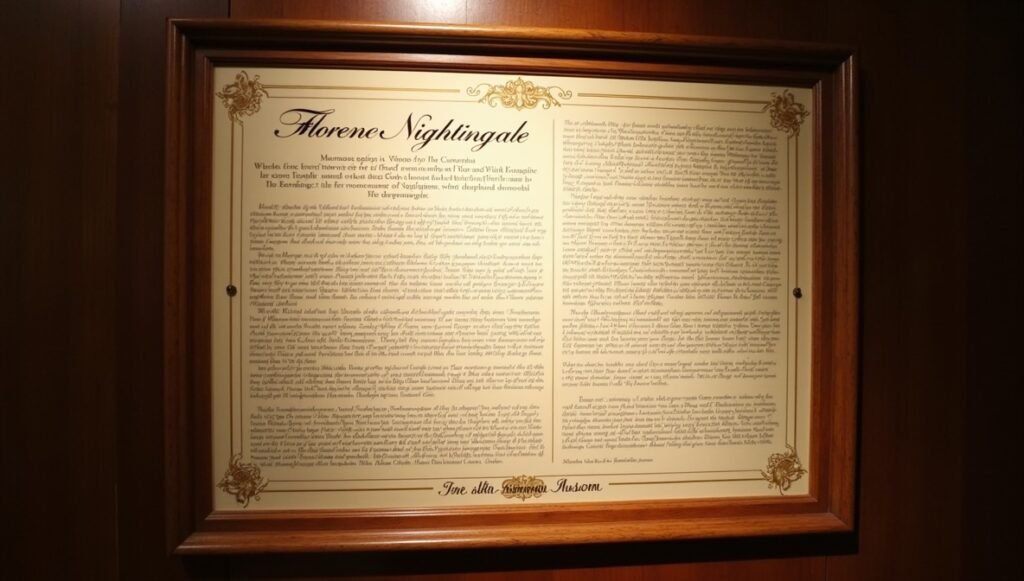
Beyond its historical significance, the Florence Nightingale Museum plays a key role in promoting public health awareness. Exhibits on sanitation, hygiene, and preventive care highlight lessons that remain relevant today.
During times of public health crises, such as pandemics, the museum emphasizes the importance of evidence-based healthcare, hygiene, and vaccination. Educational programs illustrate how historical practices pioneered by Nightingale continue to inform contemporary health policies and personal health behaviors.
Workshops and seminars focus on practical skills, such as handwashing, infection control, and understanding medical statistics, allowing visitors to apply historical lessons to modern-day contexts.
By linking history to contemporary health challenges, the Florence Nightngale Museum reinforces the importance of proactive healthcare and informed decision-making in society.
Supporting the Florence Nightingale Museum
The Florence Nightingale Museum relies on support from visitors, donors, and healthcare organizations to maintain its collections, develop educational programs, and expand its exhibitions. Contributions help preserve historical artifacts, fund research initiatives, and ensure that the museum remains accessible to a wide audience.
Volunteering opportunities allow individuals to engage with the museum’s mission, assisting with tours, educational programs, and community events. This involvement fosters a sense of connection and contribution, allowing supporters to participate in the ongoing preservation of Nightingale’s legacy.
Fundraising campaigns, membership programs, and partnerships with educational institutions further strengthen the museum’s impact. By supporting the museum, individuals help sustain a vital resource for learning, research, and public engagement.
International Recognition and Influence
Florence Nightingale’s contributions have had a global impact, and the museum reflects her international significance. Scholars, historians, and healthcare professionals from around the world visit to study her work, learn from her innovations, and draw inspiration for modern healthcare initiatives.
The museum participates in international collaborations, conferences, and exhibitions, highlighting Nightingale’s influence on global nursing standards and public health policies. Her legacy continues to inform international healthcare programs, humanitarian efforts, and professional training curricula.
Through these initiatives, the Florence Nightigale Museum serves not only as a repository of historical knowledge but also as a center for global learning and cross-cultural dialogue on healthcare excellence.
Visiting Tips and Accessibility
For those planning a visit to the Florence Nightingale Museum, several practical tips can enhance the experience. The museum is easily accessible by public transportation, and guided tours are available for groups seeking a structured and informative experience.
Accessibility is a priority, with facilities designed to accommodate visitors with mobility challenges. Audio guides, tactile displays, and multimedia presentations ensure that the museum’s content is engaging for diverse audiences.
Visitors are encouraged to allocate sufficient time to explore both permanent and temporary exhibitions, as well as participate in workshops or interactive activities. This approach allows for a comprehensive understanding of Florence Nightingale’s life, her achievements, and the broader context of nursing history.
Conclusion
The Florence Nightingale Museum stands as a vital institution for preserving the history and legacy of one of the most influential figures in healthcare. Through its carefully curated exhibitions, educational programs, and interactive experiences, the museum brings to life the story of Florence Nightingale and her transformative contributions to modern nursing, public health, and humanitarian reform.
Visitors gain not only historical knowledge but also inspiration, understanding the relevance of Nightingale’s work in today’s healthcare environment. By highlighting her dedication, innovation, and ethical commitment, the museum serves as a reminder of the enduring power of individual action to create systemic change.
The museum’s role extends beyond historical preservation; it fosters public health awareness, professional education, and global engagement with the principles of compassionate and evidence-based care. By visiting the Florence Nightigale Museum, individuals connect with a legacy that continues to shape the standards of modern healthcare and inspire future generations of nurses, healthcare professionals, and humanitarian leaders.








Leave a Reply